
Smart Design

Technology Solutions


Smart Design and Technology Solutions
In today’s fast-moving digital environment, businesses can no longer rely on outdated websites or disconnected technology systems. Customers expect seamless experiences, fast performance, and intuitive design across every digital touchpoint. This is where smart design and technology solutions become essential for long-term business success. At Vedo Tech, we believe that design and technology should work together—not separately. A visually attractive interface without solid technology fails under scale, while powerful technology without thoughtful design creates poor user experiences. The real value lies in combining both strategically. Modern businesses face challenges such as low engagement, high bounce rates, slow applications, and inconsistent branding. These problems often stem from poorly planned digital products. Our approach begins with understanding business goals, user behavior, and market expectations before writing a single line of code. We focus on building solutions that are not only visually appealing but also performance-driven. From UI/UX design and branding to web and application development, every project is structured to deliver clarity, speed, and scalability. This ensures that businesses are prepared not just for today’s users, but also for future growth. Another critical factor is adaptability. Technology evolves quickly, and digital products must be flexible enough to scale and integrate with new tools. By using modern frameworks and clean architecture, we help businesses reduce long-term costs while improving reliability. Smart design also improves trust. Users form opinions about a brand within seconds of visiting a website or app. Clean layouts, consistent visuals, and intuitive navigation immediately establish credibility. When combined with fast load times and secure development practices, businesses see improved conversions and customer retention. Our clients range from startups launching their first digital product to established companies modernizing their systems. Regardless of size, the objective remains the same: create digital solutions that solve real problems and deliver measurable value. If your business is looking to improve its digital presence, adopting a design-first technology mindset is no longer optional—it is a competitive necessity.
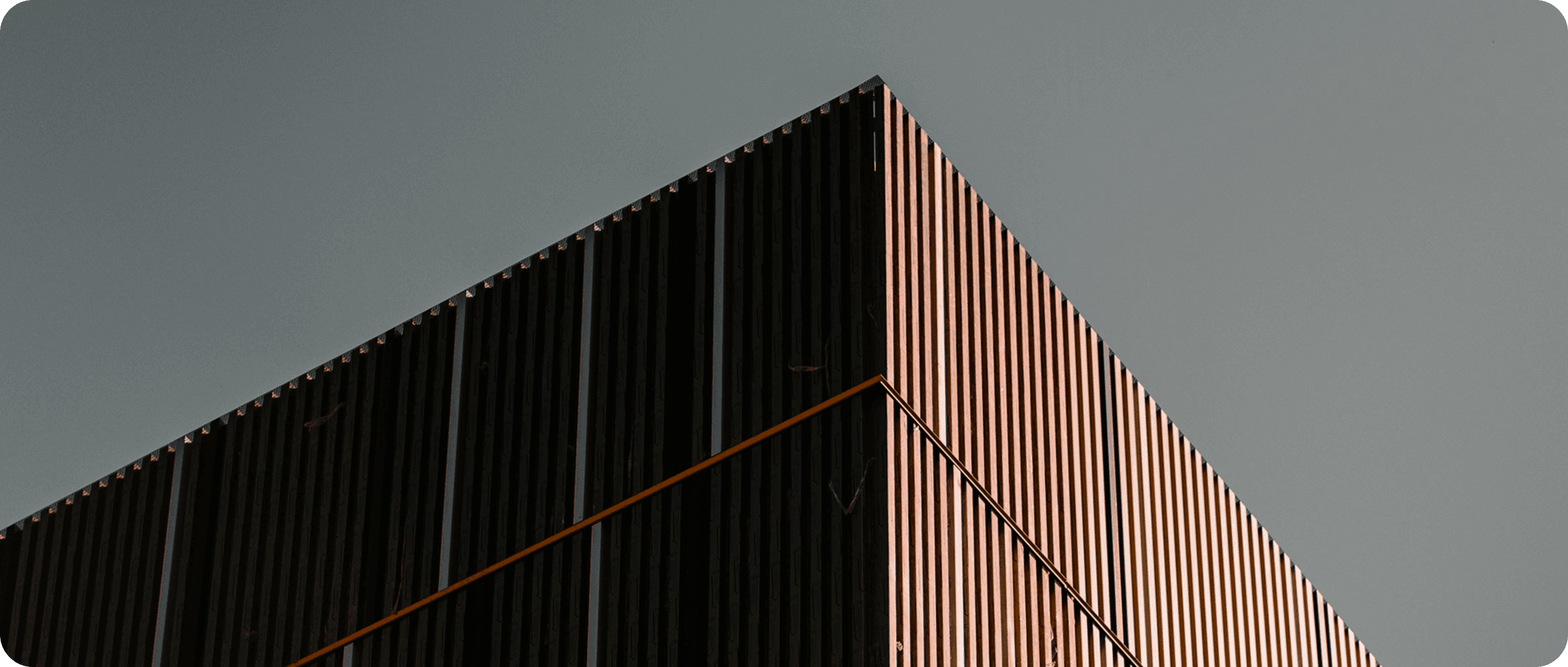
It became evident that their brand needed to be quiet, intelligent, and structured—mirroring the way they approach spatial design. We had a strategy around a concept we called “Architectural Presence”: a blend of clarity, restraint, and identity. This helped steer the direction for both branding and digital design decisions, setting a strong conceptual backbone for all creative work ahead.
Website Design, Development
30th May 2025
Creation & Deliverables
This post is for the hybrids the ones who dream in color palettes but think in breakpoints. We explores what really happens when the meets real-world development. Too often, creative concepts get watered down during the build phase. But it doesn’t have to be that way. By using shared design systems, atomic components, and collaborative tools.
At the close of the project, we delivered a complete brand kit: logo suite, brand guidelines, stationery design, and fully editable Figma files for social and presentation materials. This ensured consistency whether they were pitching to clients, publishing a press feature, or sharing updates online. For the website, we handed over a clean Web flow build with documentation and a training session for their internal team. We also provided a backup Figma prototype, ensuring the design system could scale or migrate to other platforms in the future. The launch marked a new chapter for Archin—where design and communication finally spoke the same language.
Deploy & Deliverables
Let’s face it — the handoff is often the most painful part of any creative project. Designers hand off static screens; developers struggle to interpret intent. Things break. Expectation misalign. We’re over that. In this piece, we lay out how to create a truly seamless bridge between design and dev. It starts with structure: naming conventions, proper documentation.
We'll walk through the tools we use to automate specs, communicate states, and preview responsiveness. We’ll also dive into a real-time collaboration using tools like Webflow, Figma’s Dev Mode, and Notion-driven workflows. It’s about building habits that scale: clear tokens scalable typography systems, shared libraries, and a language both teams understand. By the end, you'll have a clearer path from idea to implementation — minus the friction, plus the flow.


